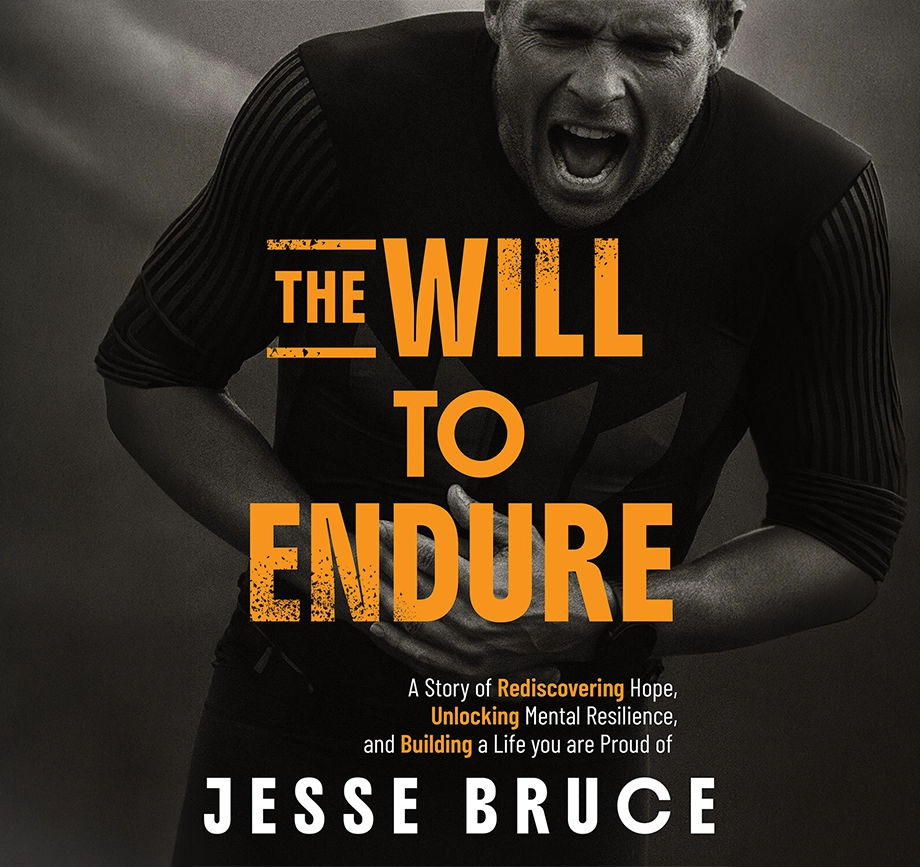
Writing this book wasn’t just difficult because of what happened.
It was difficult because I had to go back and live in it.
Not for a moment. Not for a story here and there.
But for hours. Days. Weeks.
I had to sit with versions of myself I’m not proud of.
Moments I’d rather forget.
Decisions that didn’t align with who I am today.
And if I’m being honest—it affected me.
There were stretches where I didn’t feel like myself.
Where I was carrying the weight of the past again.
Where I questioned if digging all of this up was even a good idea.
But something happened in that process.
Something I didn’t expect.

For a long time, I carried guilt.
Not the kind that pushes you forward—but the kind that lingers.
The kind that sits quietly in the background and never fully leaves.
Writing this book forced me to look at it head on.
And at some point, I had a thought that changed everything:
I wouldn’t want someone to carry guilt for years over something they did to me… so why would I keep doing that to myself?
That didn’t excuse what I did.
It didn’t erase it.
But it allowed me to understand something important:
We’re human.
We make mistakes.
Sometimes big ones.
Especially when we’re young, lost, or hurting.
But we’re not meant to stay there forever.
There are parts of this book I almost left out.
Not because they weren’t important—but because they were ugly.
The kind of stories that make you pause and think,
“Do I really want people to know this about me?”
I went back and forth on it more times than I can count.
Waking up in the middle of the night wondering if I should take something out.
Thinking about what people would say.
How I’d be perceived.
By members.
By colleagues.
By other athletes.
By people who only know me for who I am today.
But I kept coming back to one thing:
If I only told the good parts… it wouldn’t be the truth.
And if it’s not the truth—it can’t help anyone.
The reality is, the “bad” parts are the story.
They’re what make the growth real.
They’re what make the outcome matter.
Without them, it’s just another highlight reel.
I’m not going to sit here and pretend I’ve always been mentally strong.
I haven’t.
There were long periods where I was the opposite.
And even now, I wouldn’t describe myself as someone who fits the typical mold people talk about,
the “alpha,” the unemotional, the bulletproof.
That’s not me.
I feel things.
I care.
I have empathy.
For the person struggling.
For the person who made a mistake.
For the person sitting in jail or on the street.
Because I know—that’s not who they truly are.
It’s where they are. Not who they are.
And if that makes me “weak” in some people’s eyes, I’m okay with that.
Because that same empathy is what helped me rebuild my life.
There were times I questioned if this book was worth it.
If reopening everything… if putting it all out there… was the right move.
But I keep coming back to one simple thought:
If this helps one person—it’s worth it.
If one person reads this and feels a little less alone…
If someone finds even a small amount of hope…
If it helps someone believe they can come back from where they are,
Then every hard moment writing it mattered.
Because that’s what this was always about.
Not being perfect.
Not being the strongest.
Not being the best.
Just proving that no matter how far you’ve gone,
You can still come back.
And you can build a life you’re proud of.